
The Best Play Dough Tools and Toys for the Perfect Play Dough Setup at Home

There’s nothing quite like play dough. It’s a classic that has withstood the test of time spanning multiple generations for a reason – it sparks creativity, imagination, and hours of screen free, independent fun. Whether it involves squishing, rolling, cutting, or sculpting, play dough play helps build fine motor skills and encourages pretend play. A simple tub of play dough is a great start (our homemade Kool-Aid playdough!), but having the right tools and accessories can take the experience to the next level.
If you’re looking to create the ultimate play dough setup at home, here’s a guide to the best tools, toys, and supplies that we love for you to include in your kit.
1. A Basic Play Dough Tool Set
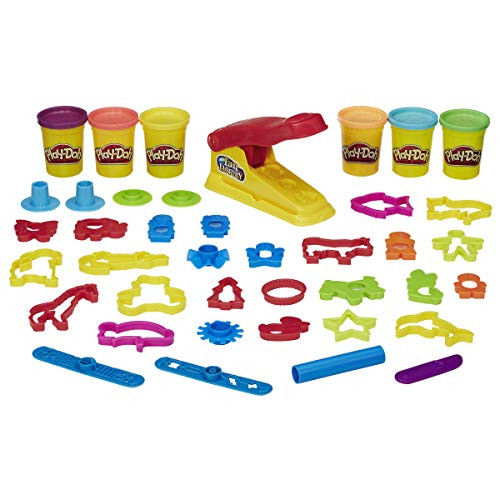
Start with a simple set that includes classic tools like a dough extruder, rolling pins, and stampers. These essentials let kids roll, flatten, and shape dough in endless ways while strengthening fine motor muscles and hand-eye coordination. I still remember using the dough extruder we had as a kid and feeling like it was pure magic to be able to push out spaghetti or a long star that I could cut into pieces… in hindsight this might make sense why I went into food science because this is exactly how cheerios and those mini marshmallows in cereal are made.
2. Rolling Pins (Big and Small)

Rolling pins are a must have for any play dough setup. Choose a variety of sizes – larger ones for flattening big sections of dough and smaller ones for toddlers to manage easily, handles and stick rolling pins, rolling pins with shape designs to roll into the dough – any kind of rolling pins you can find. As they roll, press, and spread dough, they’re building both hand strength and spatial awareness while also learning how to apply pressure and control movement.

Nothing gets kids more excited than pressing shapes into squishy dough. A set of mini cookie cutters in fun designs like animals, stars, or letters adds instant variety. They also help with developing hand strength, learning to recognize shapes, and even practicing early math and language skills in a hands on way. They fit together perfectly with the rolling pins as well! It helps kids to practice sequence of events. First, they can roll out the play dough, then they can press the shape cutters into the play dough, then they can remove to see their creation. It’s a slippery slope from here to having first class help with making cut out cookies!
4. Googly Eyes & Pipe Cleaners
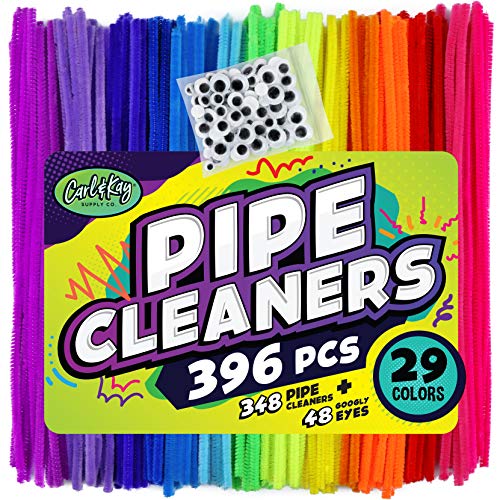
Add a bit of creativity and silliness to playtime with googly eyes and pipe cleaners. These simple craft supplies transform basic dough creations into colorful creatures or playful characters. (My children always manage to make one specific Toy Story character with these – I’ll let you guess who). Beyond sparking endless imagination, this type of play builds fine motor control and helps children express emotions and ideas through storytelling and pretend play. Bringing the characters to life is not only fun to watch, but it’s developing their brains in an extremely important way! Sit back and enjoy the show.

Perhaps one of the more boring items on the list, a play dough tray keeps tools, accessories, and dough neatly organized while giving kids their own creative space. The act of setting up materials, keeping them in sections, and cleaning up afterward encourages independence, organization, and focus—skills that extend far beyond playtime. Plus, a tray makes it easy to set up themed play zones like a “bakery” or “construction.” I wouldn’t say that it’s the most important “must have” on the list, and it’s not one that your kids are going to be asking for, but if you’re looking to set up a play dough station or to encourage independence, this is something that will help immensely. Giving them the ability to just go and get the play dough tray, or having everything all set up in one area on the tray allows them to start play time on their own, without feeling dependent on you to set it up for them, and consequently stay and play.

Play dough-safe scissors are one of the best ways for little ones to practice cutting without frustration and minimal risk. Giving my child a scissor for the first time felt more terrifying than I expected, but giving a child a scissor that could only be used on play dough made it feel so much better? Cutting is a super important skill to learn, and cutting play dough helps strengthen small hand muscles, refine coordination, and build confidence before moving on to paper.
7. Themed Play Dough Molds & Stamps

Themed molds and stamps—like animals, numbers, or alphabet sets—add a new layer of creativity to play dough time. Kids can make patterns, spell out their names, or create little scenes while learning about letters, textures, and shapes. It adds on hands on exploration that builds early cognitive skills while keeping things imaginative and engaging. Similar to the cookie cutters listed above, it also gives them the chance to work with multiple tools (and multiple parts of their brain!) by recognizing the sequence needed of first rolling out the dough, then having the surface they need to press down the stamp and reveal their image. Items that work together are always a plus in my book!
8. Kitchen Gadgets (Kid-Safe Versions)

Everyday kitchen tools like plastic knives, pastry wheels, or garlic presses make surprisingly great play dough accessories. As kids mimic cooking motions and experiment with textures, they’re building hand strength, exploring cause and effect, and practicing real world skills in a safe, sensory rich way. Nothing feels cooler to a kid than being able to do what a grown up does, and this give a fun way to do it. Enjoy the play dough pie and spaghetti dinners!
9. Loose Parts for Imaginative Play

Add a mix of safe, age appropriate loose parts—buttons, beads, shells, stones, or toy animals—to expand play possibilities. Don’t underestimate the creative thinking that comes from having random pieces to incorporate into play dough world. Handling these small objects also is great for fine motor control! I’ve shown some potato head type loose parts here, which are better for younger kids, but as kids get older, the smaller more delicate toys are especially good to help with those fine motor skills. They don’t need to be anything fancy either – my boys love a good nature set up, where we bring in some rocks, sticks, and things like that that we find outside and incorporate that into the play. (But if pinecones are introduced to the mix, plan to throw that play dough out after. There’s no coming back from that. But you can always make more with my homemade playdough recipe! 🙂

Finally, don’t forget a few airtight containers for storing dough and a small caddy or bin for tools. Having a designated place for everything makes cleanup simple and teaches kids to take responsibility for their toys. Just like the play trays, it also promotes independence and organization as they learn to set up and clean up their play space on their own. While having something like what I’ve listed above it an easy way to organize, don’t feel as though you need to spend a lot of money in this area – I remember the excitement of getting out the play dough bucket at my grandma’s to this day – and that was simply a reused gallon ice cream pail.
Play dough is truly a timeless, ageless, low prep activity that encourages creativity, focus, and hands-on learning. With just a few tools—things like rolling pins, cookie cutters, craft supplies, and a simple storage system—you can create an easy to use play dough setup that supports fine motor skills, imagination, and early learning in one simple play space.
Whether your kiddo is crafting silly monsters with the loose parts, practicing letters with the stamps, or running a pretend bakery with the kitchen tools, a thoughtfully stocked play dough kit helps transform everyday play into meaningful developmental growth – and gives you bonus time to drink hot coffee (peppermint mocha anyone??) or join in on the play. Have fun!


