
Ice Paint Fun: Homemade Activity for Kids to Beat Summer Heat
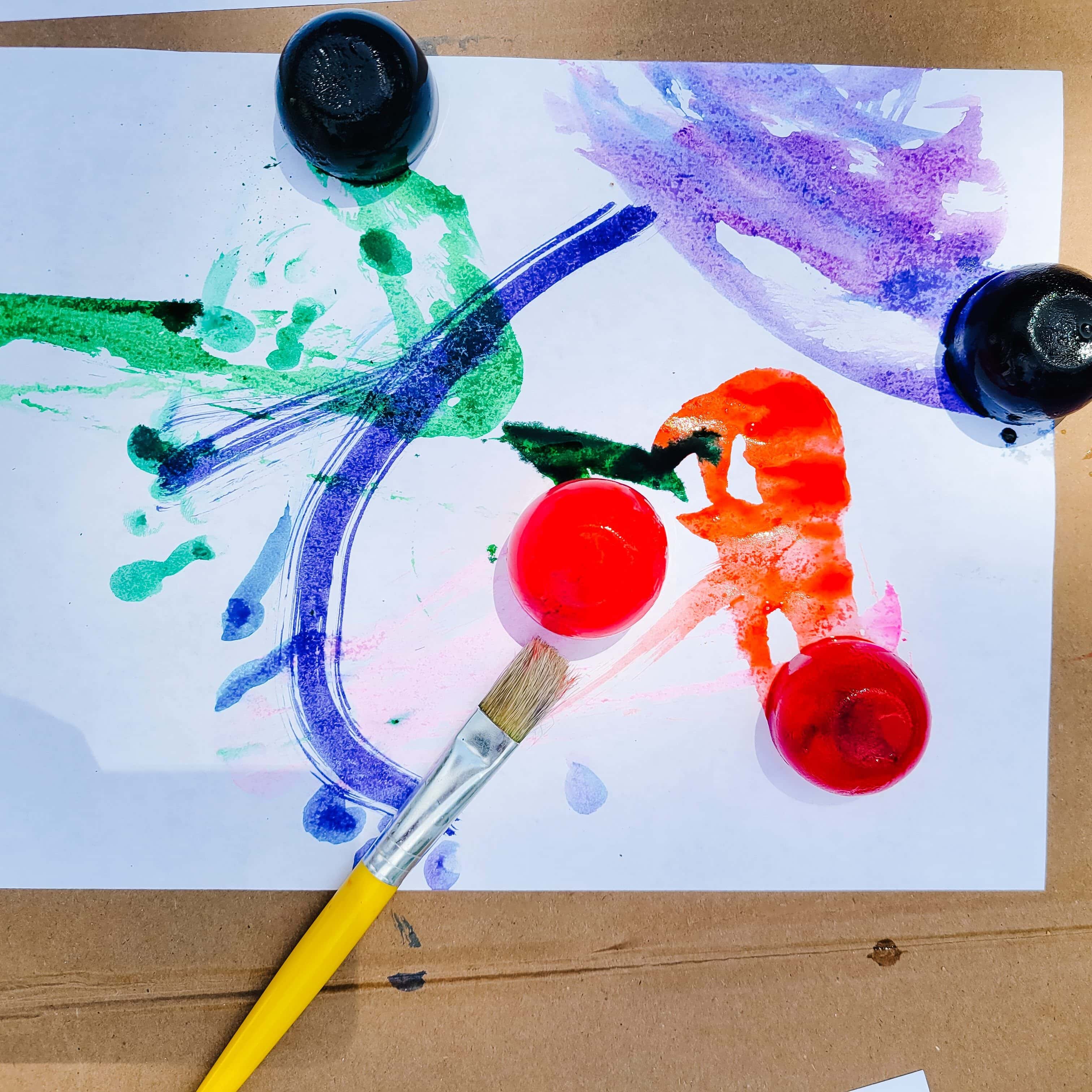
Looking for a fun way to keep kids entertained on a hot summer day? This homemade ice paint activity is the perfect combination of art, sensory play, and outdoor fun. It uses the simplest of ingredients you probably already have at home, and kids can create colorful masterpieces while developing important fine motor skills.
One of my favorite things about this activity is that my kids can help make the colored ice paint and then use it to create artwork later. It feels like two activities in one, which is always a win during summer break, when we run out of activities for the day by 9am some days.
Whether you’re looking for a summer activity for toddlers, an outdoor activity for preschoolers, or a creative sensory play idea, ice painting is an easy and inexpensive option.
Why You’ll Love This Ice Paint Activity
- Easy to set up with household supplies
- Great for toddlers, preschoolers, and elementary-aged kids
- Combines art, science, and sensory play
- Helps cool kids off during hot weather
- Encourages creativity and open-ended play
- Keeps the mess outdoors (!!)
Supplies Needed for Ice Painting
- Ice cube trays or popsicle mold
- Water
- Food coloring or tempera paint
- Popsicle sticks (optional)
- Large sheets of paper
- Paintbrushes
- Outdoor workspace
Heavy watercolor paper works especially well because it holds up better as the ice melts.
How to Make Homemade Ice Paint
Step 1: Create the Colored Ice Cubes
Fill each section of an ice cube tray with water. Add several drops of food coloring or paint to each compartment and stir gently.
For easier handling, place popsicle sticks into each section before freezing. Silicone popsicle molds (like these!) also work great for larger ice paints.
Freeze until completely solid.
Step 2: Prepare Your Painting Area
Spread large sheets of paper on a driveway, patio, picnic table, or outdoor table.
Place the colored ice cubes nearby and grab some paintbrushes to experiment with different painting techniques.
Step 3: Start Painting
As the ice melts, colorful water will spread across the paper.
Encourage kids to:
- Drag the ice across the paper
- Swirl colors together
- Layer multiple colors
- Draw shapes and patterns
- Experiment with pressure and movement
The melting process creates beautiful watercolor-like effects that are different every time.
Step 4: Talk About What Happens
This activity naturally introduces early science concepts.
Ask questions like:
- What happens when two colors mix together?
- What happens when the ice sits in the sun?
- Which colors make green, purple, or orange?
- Why does the ice melt faster on some surfaces?
Ice Painting Variations to Try
Once you’ve mastered basic ice painting, try these fun variations:
Ice Paint with Nature
Place leaves, flowers, or grass on the paper before painting. Kids can paint around them to create nature-inspired art.
Giant Ice Paint
Freeze colored water in muffin tins for larger ice paints that are easier for younger children to hold.
Sidewalk Ice Painting
Use colored ice directly on a driveway or sidewalk for temporary outdoor artwork.
Glitter Ice Paint
Add a small amount of biodegradable glitter before freezing for extra sparkle.
Tips for Success
- Freeze the ice overnight so it’s completely solid.
- Use washable food coloring if you’re concerned about staining.
- Wear play clothes.
- Paint in a shaded area if the ice is melting too quickly.
- Keep extra ice cubes in a cooler until needed.
Frequently Asked Questions
What age is ice painting best for?
Ice painting works well for toddlers, preschoolers, and elementary-aged children. Younger children may need supervision, while older kids can experiment independently.
Can I use food coloring instead of paint?
Yes! Food coloring works perfectly and is often the easiest option for homemade ice paint.
Does ice paint stain?
Food coloring can occasionally stain clothing or porous surfaces. Washable paints are often easier to clean up.
Can I do this activity indoors?
You can, but it can get messy. If painting indoors, place paper inside a large tray or sensory bin to contain the melting water. Honestly… half the fun of this one is the sun melting the ice and creating the paint, so try to get outdoors if possible!
A Fun Way to Beat the Summer Heat
This colorful ice paint activity is one of the easiest summer crafts for kids. But sometimes it’s the easiest ones that are the best ones! It combines art, sensory exploration, science learning, and outdoor play into one simple activity. Best of all, it helps kids stay cool while creating something beautiful. It’s a great way to stay cool and still get in some outdoor time this summer. Enjoy!


